
Vacation transportation gets weirdly stressful, fast. An e-bike for beginners is often the easiest fix, because it gives you more freedom than walking, less hassle than driving, and none of the “am I about to overdo it?” feeling that comes with a regular bike on a hot day.
An e-bike is simply a bicycle with a battery and motor that helps you ride. You still steer, brake, and usually pedal like a normal bike, but the bike adds a boost when you want it, which makes longer rides, beach hops, coffee runs, and casual sightseeing feel easy instead of ambitious.
Here’s what you’ll get in this guide:
- What an e-bike actually does
- How it feels to ride one
- When it fits a vacation best
- What beginners usually worry about
- How to choose the right setup
- What battery range really means
- Where to ride in Naples and Marco Island
- How to book without second-guessing it
Why an E-Bike Makes Vacation Days Easier
Vacation days are supposed to feel open-ended. In reality, transportation choices can box you in. Walk everywhere, and half the day disappears in the heat. Drive everywhere, and suddenly you’re circling for parking, checking meters, and debating whether one more stop is worth moving the car again. Rent the wrong thing, and now the fun part of the trip has turned into a logistics problem.
That’s where e-bikes land in the sweet spot.
You get fresh air, easy movement, and enough speed to cover real ground without treating your vacation like cardio. You can ride to the beach in the morning, stop for lunch without worrying about a parking lot, cruise through a neighborhood that looks interesting, and still have energy left for dinner later. That balance is the whole point.
For beginners, the appeal is even stronger. An e-bike feels familiar because it is still a bike, but it removes the part that makes many vacationers hesitate: the effort. If the idea of pedaling in sandals, casual clothes, or post-brunch mode sounds miserable, an e-bike fixes that. Cleanly.
What an E-Bike Actually Is
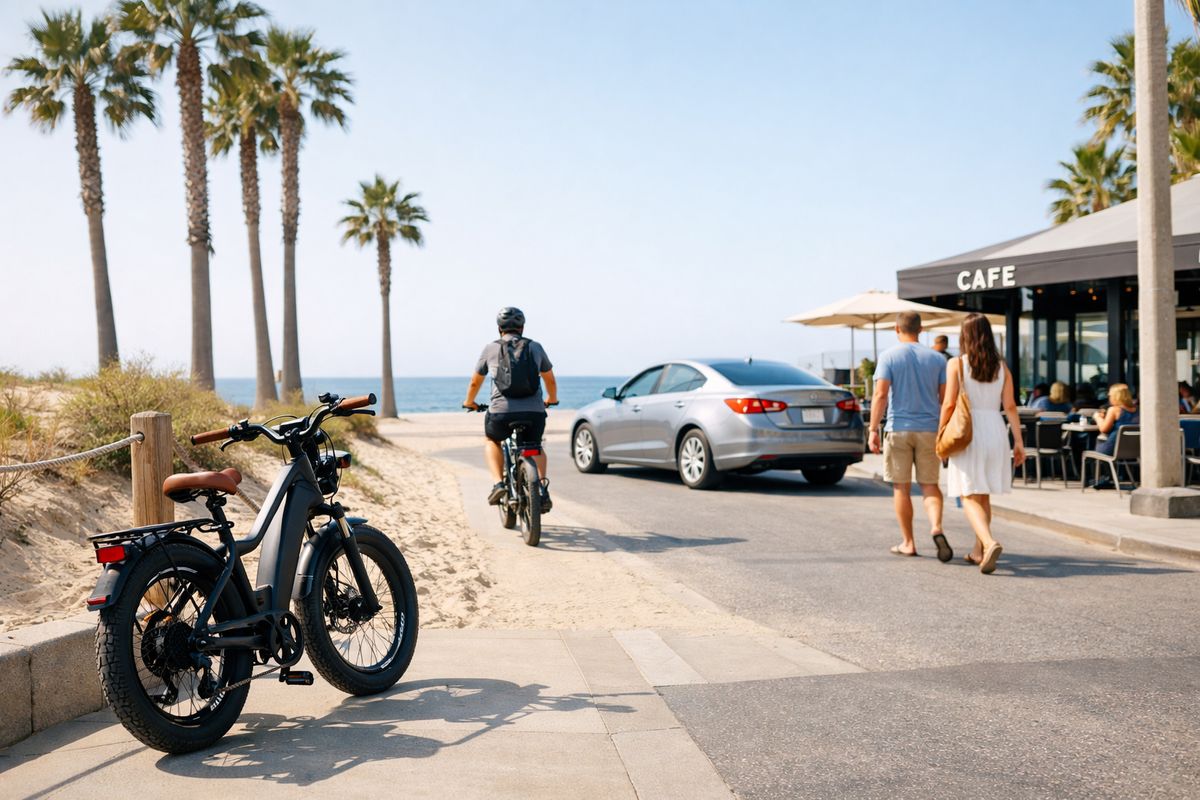
Strip away the jargon and an e-bike is pretty simple: it is a bicycle with a motor and battery that helps you move with less effort. The motor does not take over the whole experience. It just gives you support when you pedal, and on some models, when you use a throttle.
That distinction matters because a lot of first-time renters picture something halfway between a motorcycle and a scooter. It’s not that. The riding position, brakes, handlebars, and general feel are still bike-like. The difference is that starts feel easier, headwinds feel less annoying, and longer routes stop feeling like a commitment.
For a vacation ride, that changes everything. Instead of asking, “Can you handle that route?” you get to ask, “Does that route sound fun?”
Pedal Assist vs. Throttle in Simple Terms
Pedal assist is the beginner favorite for a reason. You pedal, the bike helps. That’s it.
If you’ve ever wished a bike could just take 30 to 50 percent of the work off your legs, that’s what pedal assist feels like. You still feel involved, but the bike smooths out the ride. Starting from a stop is easier. Cruising feels lighter. Mild inclines and longer stretches stop being such a big deal.
Throttle works differently. You push a button or twist a control, and the bike moves without needing much pedaling. On paper, that can sound even easier. In practice, pedal assist usually feels less intimidating for first-time vacation riders because the movement feels more natural and more predictable. You pedal, it responds. Simple.
Many rental e-bikes in beginner-friendly destinations include both features. For example, some Marco Island rentals come with throttle and pedal assist, which gives you a nice fallback if your legs need a break later in the day.
How E-Bikes Feel Different From Regular Bikes
The first difference you notice is the start. On a regular bike, getting going from a stop can feel awkward, especially if you’re rusty or carrying a bag. On an e-bike, the assist helps you get moving with less wobble and less strain.
The second difference is effort. You still ride, but you don’t have to grind through every stretch under your own power. That means you arrive less sweaty, less tired, and more willing to keep exploring.
The third difference is weight. E-bikes are heavier than standard bikes because of the motor and battery. That sounds like a big drawback until you’re actually rolling. Once moving, the extra weight matters much less than most beginners expect. In fact, many people find the ride feels planted and stable.
The learning curve is usually short. Ten or fifteen minutes in a quiet flat area is often enough to get comfortable with braking, turning, and the assist settings. After that, it just starts to feel normal.
Is an E-Bike Right for Your Vacation?
An e-bike is not automatically the right choice for every trip, but it is the right choice for a lot more vacations than people assume. If your ideal day includes wandering a little, stopping often, and covering more than walking distance without fuss, it’s a strong fit.
Think about the kinds of outings you actually want. Beach access in the morning. A coffee stop. Riding over to lunch. Cruising a scenic neighborhood before sunset. Maybe a quick errand, maybe a detour because a side street looks charming. That style of day is exactly where e-bikes shine.
The catch is that some vacations are built around other priorities. Maybe you need to move several people together every time. Maybe balance is your main concern. Maybe you only want a very short ride and care mostly about the lowest price. In those cases, another rental type can make more sense.
Best Fit: Short-to-Medium Scenic Trips
For short-to-medium vacation rides, e-bikes are hard to beat.
Flat neighborhoods, bike paths, waterfront loops, shopping areas, and lunch runs are where the experience feels almost effortless. You get farther than you would on foot, but you still notice the details that disappear when you’re in a car. You smell the salt air, spot a café you would have driven past, and can stop on a whim without committing to a whole parking situation.
This matters in destinations like Naples and Marco Island, where a lot of the fun is in the in-between moments. Not just the beach itself, but the ride there. Not just dinner, but the sunset stretch before dinner.
When Another Rental Might Make More Sense
If your whole group wants to move together every time, a golf cart may fit better. It trades freedom for convenience. You stay seated, carry more, and keep the group in one vehicle. The downside is that route rules can get confusing fast, especially around where street-legal use begins and ends.
If you’re comfortable riding a regular bike and only plan to do short distances in cooler weather, a standard bike may be enough. It’s simple, familiar, and usually cheaper.
If balance, mounting, or stopping feels like the main stress point, a trike can be the better choice. Stability beats style every time on vacation. If you feel relaxed, you’ll use the rental. If you feel tense, it’ll sit there.
Why E-Bikes Work So Well for Beginners
Beginner-friendly gear usually falls into two categories: stuff that looks easy but isn’t, and stuff that is actually easy. E-bikes belong firmly in the second category.
The reason is simple. They remove friction. Not every bit of it, but the bits that make people hesitate. The fear of being too tired. The worry about holding someone back. The feeling that biking sounds nice in theory but may not feel nice in the Florida heat by mile four.
A good beginner e-bike makes vacation riding feel forgiving. That’s the real win.
You Get More Distance Without Feeling Wiped Out
This is the biggest benefit, and it’s not close.
Pedal assist lets you ride farther while using less effort, which means your ride stops competing with the rest of your day. You can head to a beach access point, keep going to lunch, wander a scenic path after, and still not feel like you need a two-hour reset back at the condo.
That’s especially useful on vacation, where energy is limited in a different way. You’re not trying to prove anything. You want enough movement to enjoy the place, not so much that it hijacks the day.
Some rentals are designed exactly for that kind of low-effort sightseeing. Marco Island options with a 350-watt motor and moderate top speed are built for relaxed cruising, not aggressive riding.
They Help You Stay Comfortable, Not Rushed
Driving tends to create a checklist mindset. Find a spot. Move the car. Watch the time. Decide if the next stop is worth the trouble.
An e-bike softens all of that. You move at your own pace, stop when something catches your eye, and keep the day flexible. That low-pressure feeling is part of what makes beginners enjoy the experience so quickly. You’re not performing. You’re just getting around in a more pleasant way.
Comfort matters more than people admit, too. If the ride feels easy, you’re more likely to say yes to one extra stop, one more scenic turn, one casual sunset cruise before heading back. That’s how good vacation memories usually happen, not by sticking to a tight plan.
Flat Beach Destinations Make the Learning Curve Easier
Flat terrain is the secret beginner advantage.
In a place like Marco Island or nearby Naples, you’re not dealing with steep climbs, sharp descents, or complicated urban riding from the start. You get flat scenic paths, neighborhood streets, and the kind of easy cruising that lets you focus on the ride instead of constantly managing the bike.
That’s a huge reason first-time riders tend to do well here. A calm environment makes everything click faster. On a flat stretch near the beach, with the water off to one side and a lunch stop in mind, an e-bike starts to feel less like equipment and more like part of the vacation.
The Main Things Beginners Worry About
Most first-time hesitation comes down to three worries: speed, fitness, and handling. All three sound bigger before the first ride than they feel during it.
Naming those worries helps, because none of them are weird. In fact, they’re the standard concerns for beginners. The good news is that each one has a pretty straightforward answer.
“What If It Feels Too Fast?”
This is the most common fear, and honestly, it makes sense. Anything with a motor sounds faster than it feels.
Many vacation e-bikes top out around 20 mph. That is fast enough to feel useful, but not so fast that you’re forced into riding at that speed. You stay in control of pace the whole time. Lower assist means a mellower ride. Gentler throttle use means slower takeoffs. Quiet streets and bike paths naturally keep things relaxed anyway.
Some beginner rentals on Marco Island are listed with up to 20 mph, which is a very manageable ceiling for casual vacation use. Start slow, keep the assist low, and it feels far less dramatic than the word “electric” suggests.
“What If I’m Out of Shape?”
Here’s the blunt answer: being out of shape is usually not the thing that stops you from enjoying an e-bike.
Pedal assist exists for exactly this reason. You choose how much help you want. If you feel good, pedal more. If the sun is beating down, or you’re coming back from lunch, or your knees just want a break, increase the assist and keep moving comfortably.
Fitness matters a lot more on a regular bike. On an e-bike, comfort and confidence matter more. That shift is why so many beginners end up enjoying rides that would have sounded annoying on a standard bike.
“What If It’s Too Heavy or Hard to Handle?”
Yes, e-bikes are heavier. No, that usually doesn’t make them hard to ride.
The weight matters most when you’re standing over the bike, getting started, or moving it around while parked. Once the bike is rolling, the added weight fades into the background pretty quickly. Many riders actually like how steady it feels.
The trick is simple: choose a step-through frame if you want easier on-and-off access, start in a flat open area, and give yourself a few low-pressure minutes before heading anywhere busy. That solves most handling nerves immediately.
How to Choose the Right E-Bike for Your Trip
You do not need to become an e-bike person to pick a good vacation rental. You just need to match the bike to your comfort level and the kind of day you actually want.
That means ignoring a lot of fancy language and focusing on what you’ll notice in real life: how easy it is to get on, how relaxed the riding position feels, how simple the controls are, and whether the motor gives you enough support for the routes you have in mind.
Step-Through vs. Traditional Frame
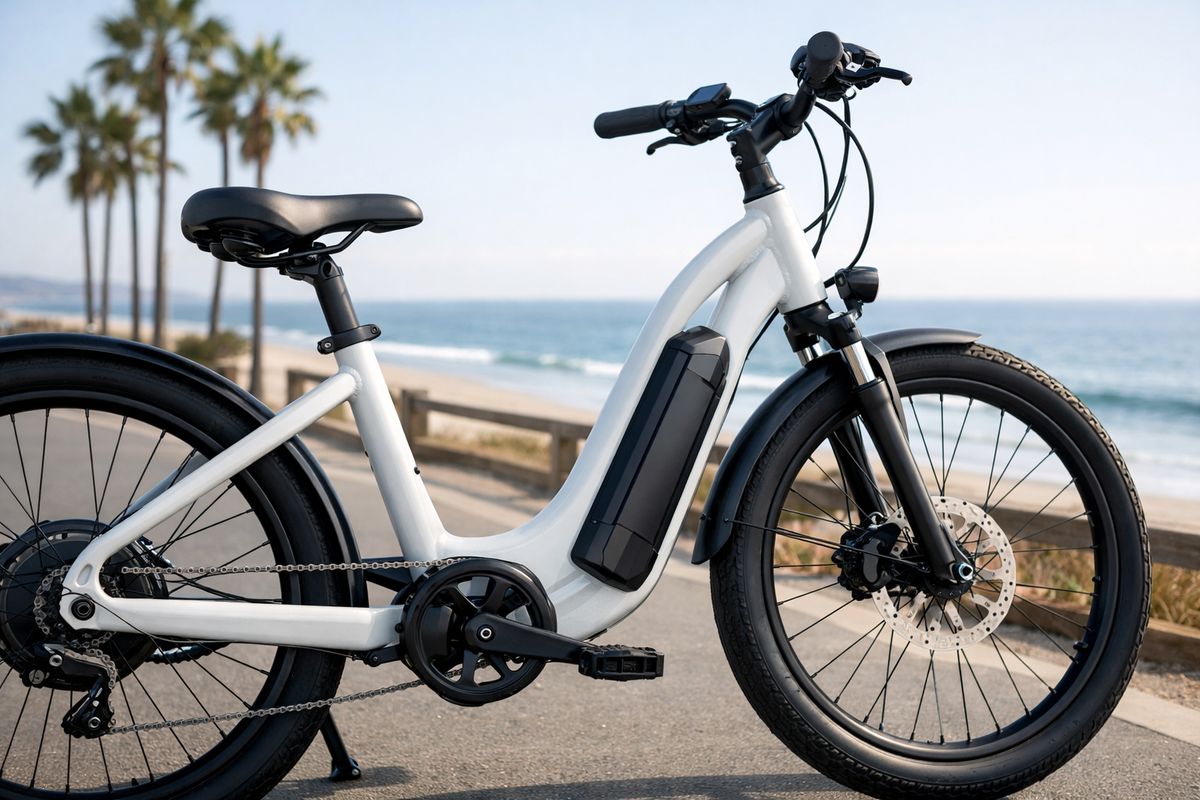
A traditional frame has the higher top bar that many people picture when thinking of a classic bike. A step-through frame has a lower opening, so you step onto it instead of swinging your leg high over the seat.
For beginners, step-through is often the better call. It’s easier in casual clothes, easier after a beach stop, and easier if flexibility is not your favorite thing. It also tends to feel less awkward when stopping frequently, which is common on vacation.
Traditional frames can feel sporty and familiar if you already ride often. But for a no-stress trip, step-through usually wins.
Comfort Features That Matter More Than Fancy Specs
You’ll notice posture long before you notice technical performance. An upright riding position feels calmer and easier on your back, shoulders, and wrists. A cushioned seat matters. Stable handling matters. Simple controls matter.
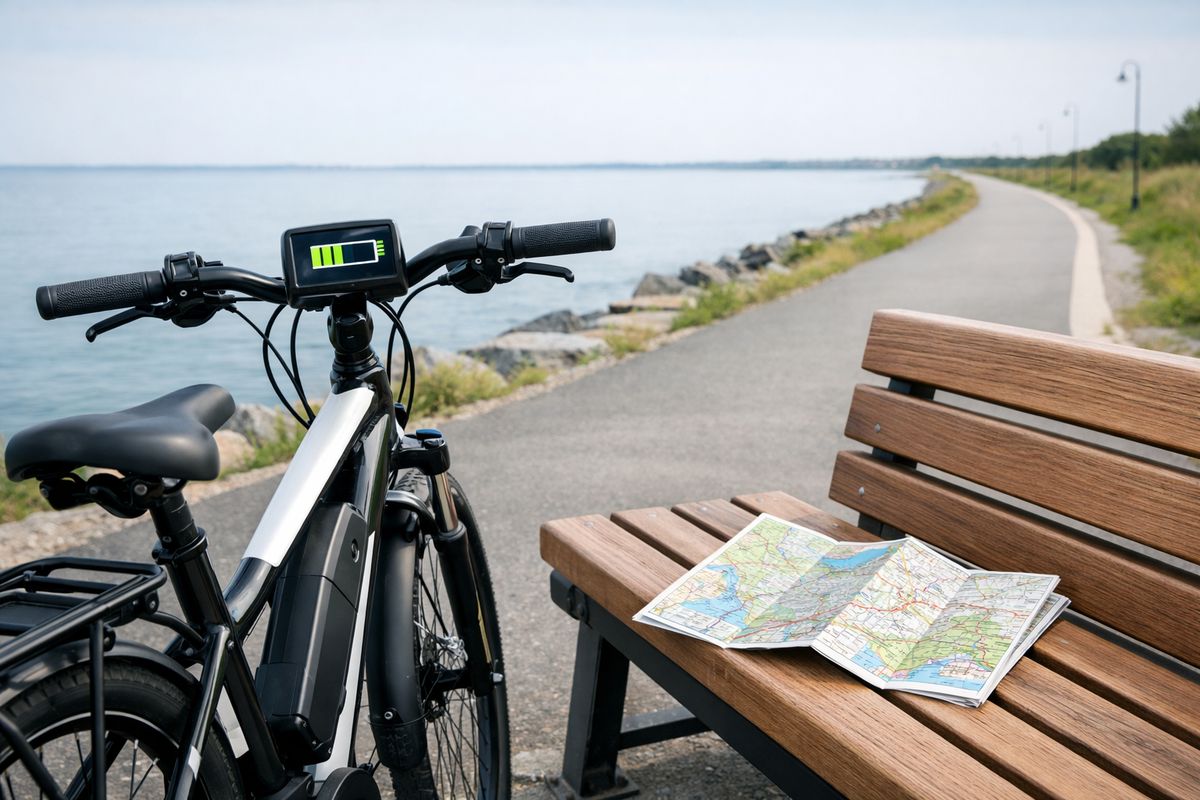
A clear display is nice, too, but only if it’s actually easy to read. Vacation riding is not the time to decode a spaceship dashboard. You want obvious assist settings, predictable brakes, and a bike that feels steady at slow speeds.
That’s the good news about rental e-bikes aimed at beginners. The best ones are not trying to impress you with complexity. They’re trying to help you enjoy the ride.
How Much Power Do You Really Need?
Less than you think.
For relaxed vacation riding on flat terrain, a 350-watt motor is plenty. That level gives you enough support to start smoothly, handle breezes, and cover local distances comfortably without making the bike feel overpowered.
The point is not to chase the biggest number. The point is to get enough help for cruising, stopping, and restarting without fuss. On Marco Island or around Naples, where the terrain is generally forgiving, that moderate motor size makes a lot of sense for beginners.
Understanding Range Without Overthinking It
Battery range is where many first-time renters spiral. You see a number, then wonder what it really means, then imagine getting stranded halfway through a beach day.
Take a breath. Vacation riders usually need less range than they think.
A typical rental listing might say 25 to 55 miles on a full charge, or around 50 miles in a general benefits section. That sounds inconsistent because it is a little inconsistent, but the broader point is clear: exact mileage depends on how you ride. Range is not a fixed promise like the size of a hotel room. It’s more like gas mileage in a car.
What Changes Your Real-World Range
Several things affect battery range. Rider weight matters. Terrain matters. Wind matters. Throttle use matters a lot. So does how high you keep the assist and how much stop-and-go riding you do.
That’s why a published range like 25 to 55 miles should be read as a realistic window, not a guaranteed outcome. If you ride on flatter paths, use pedal assist more than throttle, and stop for normal vacation breaks, you’ll usually land in a comfortable zone for local sightseeing.
The trick is not to obsess over the top number. Plan around your actual day.
How Far a Beginner Vacation Day Usually Goes
Most beginner vacation outings are surprisingly modest in mileage. A ride from your condo to the beach, then to lunch, then through a scenic neighborhood, then back, may not even come close to draining the battery. A sunset cruise with a stop for ice cream or a casual loop through residential streets is lighter still.
In other words, the average fun vacation ride is not an endurance event. It’s a string of short, pleasant segments with pauses in between. That style of riding fits comfortably inside a single charge for most daily rentals.
Charging Expectations During a Rental
If you’re renting for a few hours or a single day, you may never need to think about charging at all. Just start with a full battery and ride normally.
If you’re renting for several days or a full week, charging matters more. Ask how the charger is provided, how long a full charge typically takes, and whether you’re expected to plug it in overnight. Also ask what happens if something seems off with the battery during your rental.
Support matters here more than specs. If a shop offers fast help for battery or motor issues, your trip stays easy instead of turning into a customer service scavenger hunt.
Safety Basics That Make the Whole Experience Better
Safety advice gets annoying when it sounds like a lecture. The useful version is simpler: a few basic habits make the whole ride feel calmer.
That matters because stress usually comes from uncertainty, not danger itself. If you know how to start, what gear you have, and what rules apply, the ride feels lighter from the first minute.
Start in the Lowest Assist Mode
This is the easiest beginner trick, and it works almost every time.
Start in the lowest assist setting and ride for a few minutes before changing anything. That gives you time to feel the brakes, the turning radius, and how the motor responds when you begin pedaling. If you jump straight into a high assist level, the bike can feel more eager than expected, which beginners often describe as “too much” even when the bike itself is perfectly manageable.
Lower assist first. Smooth confidence second. More power later if you want it.
Use the Gear That Comes With the Rental
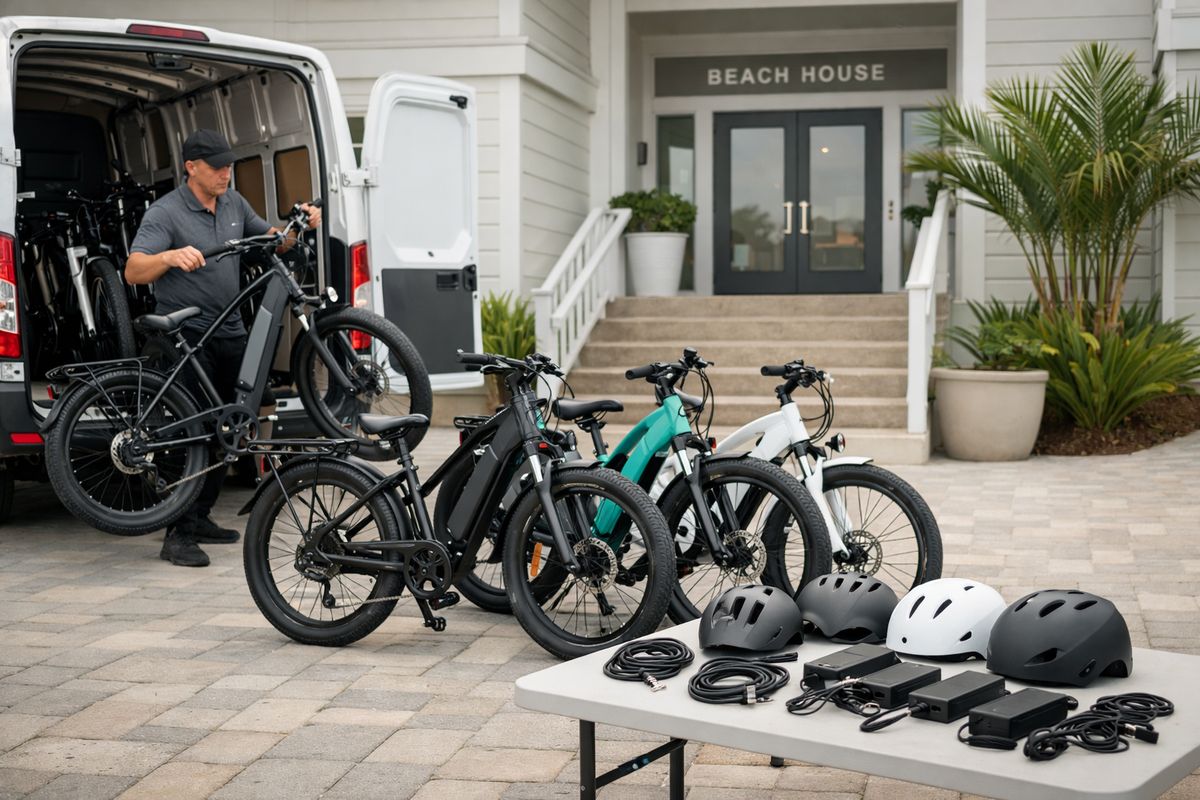
Good rentals usually include the basics you actually need, and that removes one more layer of pre-trip decision fatigue. Some Marco Island e-bike rentals come with helmets, locks, and essentials, which is exactly what you want for easy vacation use.
The helmet is obvious. The lock matters more than many first-timers expect. If you plan to stop for coffee, lunch, shopping, or beach access, you want the freedom to park the bike and relax without hovering over it.
Included gear also keeps packing simple. Fewer things to buy, fewer things to remember, fewer things to worry about.
Know the Age and Rules Before You Book
This is the part people skip until it becomes annoying.
If a rental requires riders to be at least 16 years old, know that before building your whole day around the idea. Also check local rules for shared-use paths, neighborhood streets, and any beach or protected-area access where motorized equipment rules can vary.
A quick rules check before arrival saves the classic vacation frustration of finding out something important after you’ve already made the plan.
Where You Can Ride an E-Bike on Vacation
The short version is that e-bikes work best where bikes already work well. Think bike paths, quiet neighborhood streets, scenic loops, and local connector routes that link beaches, shops, cafés, and residential areas.
That’s one reason they fit vacation travel so well. You’re usually not trying to cover commuter-style distances or navigate high-stress roads. You want pleasant routes that feel easy to follow and easy to enjoy.
Bike Paths, Neighborhood Streets, and Scenic Loops
These are the sweet spots.
Bike paths give you space and a calmer pace. Neighborhood streets often feel approachable because traffic tends to move more slowly. Scenic loops are ideal for beginners because they remove the pressure of a strict point-to-point ride. You can just cruise, stop, and continue.
If your vacation style leans curious rather than scheduled, these route types make an e-bike feel especially natural.
Naples and Marco Island: Why This Area Is Beginner-Friendly
This area is kind to beginners because it lets you ease in. The terrain is flat, the scenery is good enough to make even a short ride feel like an outing, and the pace in many areas is relaxed.
Marco Island, in particular, stands out for simple cruising. Picture an easy ride near the beach in late afternoon, no hill to dread, no parking lot to battle, maybe a casual lunch stop still lingering in the day. That is exactly the kind of environment where first-time e-bike riders settle in quickly.
Some rental providers even describe the local routes as ideal for flat, scenic paths, which tracks with the kind of beginner-friendly experience most vacationers want.
Places to Double-Check Before You Go
Even in bike-friendly places, some areas need a quick check. Beach access points may have specific rules. Shared-use paths sometimes have posted speed expectations or access limits. Protected areas may treat motorized assistance differently, even when the bike itself looks ordinary.
That doesn’t mean the rules are complicated. It just means a two-minute check with your rental provider is worth it. If a route or zone is unclear, ask before you roll out.
What to Look for in a Low-Stress Rental Experience
A good bike matters. A good rental setup matters just as much.
For beginners, the best rental experience removes friction before the ride even starts. Delivery, flexible timing, included gear, and support if something goes wrong all matter more than flashy upgrades you may never notice.
Delivery Can Make the First Day Much Simpler
Delivery is one of those details that sounds nice until you realize it actually changes the whole first day.
If your e-bike can be dropped off at your hotel, condo, or rental home, you skip the part where you figure out transportation to the rental shop, wait in line, and then start your day already a little depleted. Some providers offer free delivery on Marco Island, while off-island delivery may cost extra. That’s worth checking early.
For a first-time rider, delivery also gives you a calmer place to get familiar with the bike. Starting near your temporary home is usually much nicer than starting from a busy storefront.
Flexible Rental Lengths Let You Test Without Committing
This is one of the best features for nervous beginners.
Hourly rentals let you test the waters. Daily rentals give you room for a real outing. Weekly rentals make sense if you already know you’ll use the bike often. That flexibility is useful because confidence builds fast once you actually ride, but not everybody wants to commit before that first loop.
A short first rental can be the perfect low-pressure move. Try it, notice how it feels, then book more time if it clicks.
Repair Help and Support Are Worth More Than a Fancy Feature
A fancy display or extra riding mode is nice. Fast support is better.
If something feels off with the battery, motor, or fit, quick help saves the day. Vacation time is too limited to waste on troubleshooting. Rental support that handles setup questions, quick fixes, or replacement needs is what keeps beginners relaxed.
That kind of backup is especially useful with e-bikes because the parts that make riding easier also make the equipment slightly more specialized than a standard beach cruiser. Simplicity wins, but support is the safety net.
E-Bike vs. Regular Bike vs. Golf Cart vs. Trike
This is the comparison most vacationers actually need. Not “what’s best” in the abstract, but what fits your trip.
Each option solves a different problem. The mistake is picking based on trendiness instead of how you want the day to feel.
Choose an E-Bike If You Want Freedom Without the Effort
An e-bike is the best fit if you want flexibility, outdoor time, and enough range to explore without feeling worked over. It suits couples especially well, because you can move independently, stop easily, and shape the day as you go.
It’s active, but not demanding. That’s the whole charm.
Choose a Regular Bike If You Want the Simplest, Cheapest Option
If your rides will be short, the weather is forgiving, and you’re already comfortable on a normal bike, a standard bike can be enough.
The upside is simplicity and price. The downside is obvious: every bit of effort comes from you. On a warm vacation day, that tradeoff can feel less charming by the second stop.
Choose a Golf Cart If Your Priority Is Group Convenience
Golf carts make sense when the main goal is keeping a group together and carrying more stuff with less physical effort. For families or anyone who wants a very seated, very easy outing, that can be appealing.
The catch is route legality. Street rules, access limits, and where you can actually take the cart can be confusing, especially if you’re not local. Convenience is great, but only if the allowed routes match your plans.
Choose a Trike If Balance or Stability Is the Main Concern
If balance is the real barrier, a trike can be a relief. Getting on and off feels easier for many riders, and stopping does not come with the same wobble concerns that some people feel on two wheels.
A trike may be slower and less nimble, but if it helps you feel calm, that matters more than anything else.
A Simple First-Day Plan for Nervous Beginners
The best first ride is short, easy, and attached to something pleasant. Not a giant scenic mission. Not an all-day challenge. Just a gentle start.
That approach works because confidence tends to arrive quietly. You don’t need to conquer the whole island on day one. You just need one good ride that makes the next ride sound appealing.
Start With a 20- to 30-Minute Test Ride
Pick a quiet, flat area and do a short loop first. Use that time to practice starting, stopping, braking smoothly, and changing assist levels.
A half hour is enough to tell you almost everything you need to know. By the end of that ride, the controls usually make sense and the bike stops feeling unfamiliar.
Build in One Easy Stop
Give the ride one simple purpose. Coffee. A beach access point. A lunch stop. Even a quick scenic pause works.
That little destination helps because the ride becomes part of the day, not the whole day. You’re not “going out to master the e-bike.” You’re riding to something nice. Mentally, that lands much better.
Save the Longer Scenic Route for Day Two
Day one should feel easy enough that you finish wanting more. That’s the target.
If the first ride goes well, day two is the time for the longer waterfront loop, the extra neighborhood detour, or the sunset route you had in mind. Confidence grows fast when you stop trying to rush it.
Common Beginner Mistakes and Easy Fixes
Almost every beginner mistake is normal, fixable, and forgettable. That’s good news.
You do not need a perfect first ride. You just need to avoid the few small things that make an easy ride feel harder than it should.
Starting in Too High an Assist Level
If the bike feels jumpy or more eager than expected, this is usually the reason.
Drop to the lowest assist mode and start again. That small change often turns a tense first minute into a smooth one. More power is not better if it makes you feel less in control.
Forgetting to Lock the Bike During Stops
Vacation riding often includes lots of little stops, which makes it easy to get casual about parking. Don’t.
If your rental includes a lock, use it every time you step away for coffee, beach access, lunch, or shopping. It only takes a moment, and it saves a very preventable headache.
Planning Too Much Distance on Day One
This happens because maps make everything look close and vacation optimism is strong.
But the best rides leave room for shade breaks, a wrong turn that becomes a fun detour, or a stop that looks better than the original plan. Keep the first day lighter than you think you need to. If you finish with energy left, that is a win.
Quick FAQ for First-Time Vacation Riders
Do you need to be fit to ride an e-bike?
No. That’s one of the biggest reasons e-bikes work so well for beginners. The assist takes over when your legs need help, so fitness is not the gatekeeper people assume it is.
Are e-bikes hard to learn?
Usually not. On flat terrain, most beginners get comfortable pretty quickly, especially after a short test ride in a quiet area.
How fast do vacation e-bikes go?
Many top out at around 20 mph, but you control the pace. You do not have to ride anywhere near that speed for the bike to feel useful and fun.
How long does the battery last?
A full charge often covers far more than a typical casual vacation outing. Real range depends on assist level, throttle use, rider weight, wind, terrain, and how much stop-and-go riding you do.
What should you bring?
Keep it simple: your phone, water, sunscreen, and anything the rental shop does not already include. If the helmet and lock come with the bike, that’s two less things to think about.
How to Book the Right E-Bike Without Second-Guessing It
Booking gets easier once you stop trying to predict every scenario and start focusing on the basics. You want a bike that feels easy to mount, easy to understand, and easy to use for the kind of rides you actually want.
That means a little upfront clarity goes a long way.
Ask These 5 Questions Before You Reserve
Before you book, confirm five things: whether delivery reaches your location, what gear is included, what battery range you should realistically expect, what support looks like if something goes wrong, and which bike style fits your height and comfort level best.
Those questions cut through almost all of the usual rental uncertainty. You’re not trying to become an equipment expert. You’re just making sure the experience will be smooth.
The Best “First Try” Option for Most Beginners
For most first-timers, the easiest place to start is a step-through e-bike with pedal assist, a simple control setup, and included basics like a helmet and lock. Pair that with a short first rental window and you get the best kind of beginner plan: low pressure, easy to use, easy to extend if you love it.
That combination works because it removes the three big barriers all at once. Getting on is easy. Riding is easy. Deciding is easy.
Try This Before Your Trip This Week
Pick one easy ride you would actually enjoy, not the most ambitious one. Maybe it’s a short Marco Island beach loop with a coffee stop, or a casual Naples route that ends at lunch. Map that simple outing first, then book a short delivery rental that matches it.
That one small plan does something useful. It turns “maybe an e-bike” into a real vacation day you can already picture, and that’s usually the moment the whole idea starts to feel easy.