
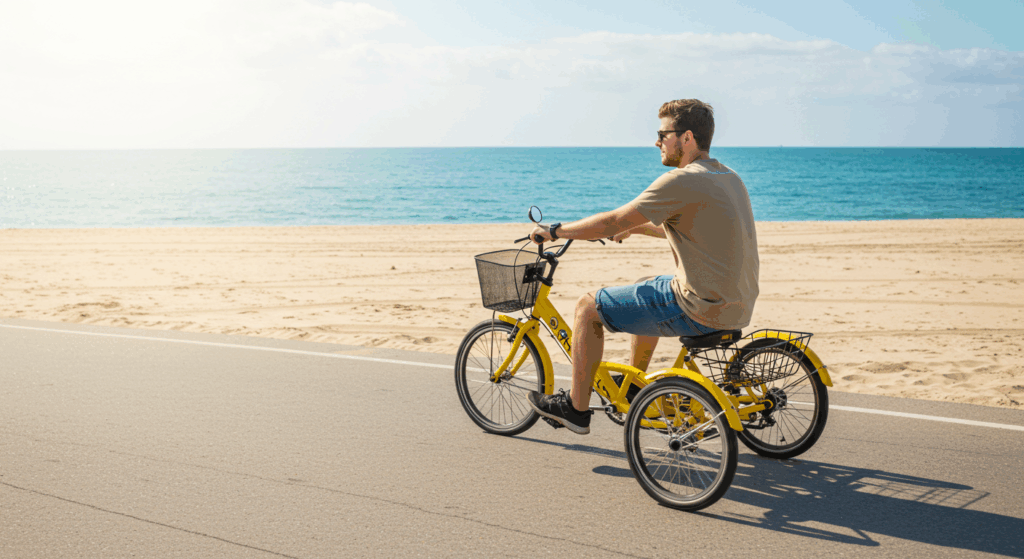
Choosing between a trike vs bike rental on Marco Island sounds simple until you picture the actual trip: beach bags, warm weather, busy crossings, and maybe a rider in your group who has not been on two wheels in years. For most vacationers, a trike is the better choice for easy island cruising, while a traditional bike wins if you want a lighter, quicker, more active ride. Here’s how to pick the one you’ll actually enjoy, not just the one that looks good online.
Trike vs Bike at a Glance
A traditional bike is the familiar two-wheel option. It’s lighter, faster, and easier to weave through tighter spaces. If you already feel comfortable balancing, starting, stopping, and riding around other people, a bike will probably feel natural within minutes.
A trike, of course, has three wheels, and that changes the whole experience. You get more stability at low speeds, easier starts and stops, and usually more cargo room for beach gear or shopping bags. For a lot of Marco Island visitors, that matters more than speed.
Why does this choice matter so much here? Because Marco Island is usually about relaxed sightseeing, not intense cycling. People ride to the beach, to breakfast, through neighborhoods, and over to shops. In that setting, comfort and confidence often beat athletic performance.
If you’re brand new to local rentals, it also helps to understand the wider picture of how people typically get around the island without a car. Once you know the pace and layout, the trike-versus-bike decision gets a lot easier.
Stability and Ease of Riding
This is the biggest deciding factor for most people.
A bike is only easy if balancing still feels automatic. If you have not ridden in five or ten years, that first wobbly start can feel a lot less charming than it did in your memory. Add vacation traffic, unfamiliar streets, and a beach bag hanging from the handlebars, and suddenly the ride feels more stressful than relaxing.
A trike removes a lot of that anxiety right away. You don’t have to think much about balance when you stop at a crosswalk or pause to let someone pass. That matters more than people expect.
Why trikes feel easier for nervous riders
Three wheels give you a wider, more planted feel on the road. You can start slowly, stop without tipping, and cruise without that low-grade fear of falling over at the wrong moment. For older adults, casual riders, and anyone who’s a little rusty, that confidence boost is real.
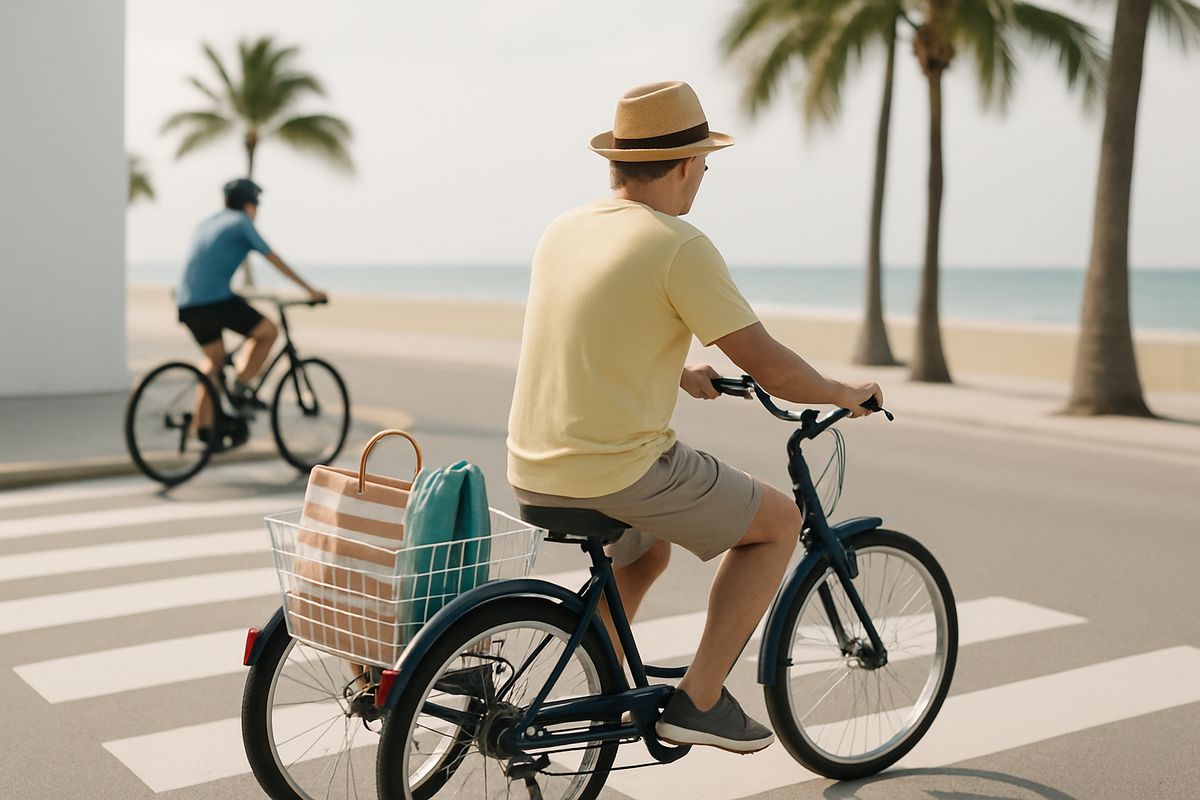
Trikes also help when you’re carrying stuff. Towels, a cooler bag, sandals, or a purse can throw off your balance on a regular bike. On a trike, extra cargo feels much less dramatic because the frame stays stable even when the load shifts a little.
That’s why hesitant riders often end up having more fun on three wheels. They spend less time worrying and more time looking around.
Where bikes still feel more natural
If you already know how to ride comfortably, a bike can actually feel smoother and more intuitive. Turning feels familiar. Steering feels lighter. You don’t have to relearn the spacing of a wider vehicle.
For experienced riders, a standard bike usually feels more responsive too. You lean, glide, and move through corners in a way that’s harder to replicate on a trike. So while trikes feel easier for nervous riders, bikes often feel better for confident ones.
If you want a closer look at that comfort gap, this breakdown of which one tends to feel simpler for most renters is useful, especially for first-timers.
Comfort for Casual Sightseeing
Marco Island riding is usually casual by design. You’re not trying to set a record. You’re trying to enjoy the breeze, spot a good lunch place, and maybe make it to the beach without arriving sweaty and annoyed.
That’s where trikes usually pull ahead.
Most trikes are built for a more upright posture, and that changes the whole ride. Your neck, shoulders, wrists, and lower back generally feel less strained, especially if you’re cruising at a relaxed pace. On vacation, that matters a lot.
Upright position and relaxed cruising
On a bike, your posture depends a lot on the model. A comfort cruiser can feel pretty relaxed, but many standard bikes still put more weight on your hands and require more active balance through your core and hips.
A trike tends to feel more sit-and-go. You’re upright, stable, and less tense. For sightseeing rides, that relaxed body position usually translates into a better experience, particularly for couples heading out for a sunset spin or anyone who wants to stop often for photos.
Longer rides in heat and humidity
Florida heat changes the equation fast.
Even if the route is flat, an hour outside can feel longer when it’s humid. Bikes usually require more constant balance and a bit more physical effort, which can leave casual riders feeling more tired than expected. Trikes are not effortless, but they reduce the mental and physical strain that comes from balancing, especially at slower speeds.
That said, if your group is comparing all the pedal options, it’s worth reading about how electric and regular bikes differ in real vacation use. Some visitors who think they want a standard bike actually want less effort than they realize.
Handling on Marco Island Roads and Paths
Marco Island is friendly for casual riding, but no rental feels perfect everywhere. You’ll come across neighborhood streets, paved paths, beach access areas, parking lots, and spots where you need to slow down and pay attention.
A bike is more nimble. A trike is more planted.
That’s the simplest way to think about it.
Tight turns, traffic, and parking
Bikes are easier to maneuver in tighter spaces. If you’re turning around in a small area, slipping into a bike rack, or moving through a narrow path entrance, a standard bike usually wins. It’s slimmer, easier to angle, and less awkward when space gets tight.
Trikes need more room. Their width is part of what makes them stable, but it also means you have to be a little more deliberate in crowded spots. Tight turns feel wider, and parking can require more thought.
Still, most visitors are not threading through city traffic all day. They’re cruising. For relaxed island use, the extra width is often a fair trade for the added security.
Pavement, bumps, and uneven areas
On smooth pavement, both work well. On mildly uneven surfaces, they just feel different.
A bike can roll more fluidly over small imperfections because it’s lighter and easier to guide around rough patches. An experienced rider can adjust quickly and barely think about it. A trike, meanwhile, feels steadier but less agile. You’re more likely to feel the width of the vehicle and notice how each wheel tracks across the surface.
Neither is meant for rough off-road use, of course. But for the paved roads and paths most visitors use on Marco Island, both are perfectly serviceable. The better choice depends on whether you value stability or maneuverability more.
Speed and Effort
If you care about getting somewhere quickly, choose a bike.
If you care about getting there comfortably, with less mental effort, choose a trike.
That’s really the split.
Which one is better for light exercise
A bike gives you a more traditional workout. You pedal harder, move faster, and engage more balance and coordination along the way. Active travelers often prefer that because it feels more like actual cycling, not just transportation.
You’ll also cover distance more efficiently on a bike. If you want to explore a wider stretch of the island in one outing, or you simply enjoy the rhythm of pedaling, a bike makes more sense.
Which one feels easier for relaxed trips
A trike is better for easygoing rides where the destination is only part of the fun. You can move at a comfortable pace without worrying as much about starts, stops, or wobbling when you slow down. That makes it a strong fit for beach days, neighborhood cruising, and low-stress outings with mixed fitness levels.
There’s another layer here too. Some people comparing trikes and bikes are really deciding between pedal power and motor assist. If that sounds familiar, this guide on when an electric upgrade makes sense can help narrow it down.
Storage and Carrying Beach Gear
This is one of the most practical differences, and honestly, one of the most overlooked.
Vacationers carry stuff. More stuff than they think.
Basket and cargo space
Trikes usually have the advantage here by a mile. Many come with a large rear basket, and that makes beach outings much easier. Towels, water bottles, a tote bag, sandals, snacks, sunscreen, and a few small souvenirs can all come along without turning the ride into a balancing act.
For couples and families, that extra cargo space is a big deal. One rider can carry the shared gear instead of making everyone wear backpacks in the Florida heat. It sounds small, but it changes the comfort of the whole trip.
Traveling light on a bike
A bike still works well if you pack lightly. A small basket, backpack, or crossbody bag is usually enough for water, keys, phones, and a few basics. If your plan is a short ride to breakfast, a quick cruise before dinner, or a simple loop around the island, a bike is often all you need.
But if you already know you’ll be hauling beach items, a trike is usually the smarter call. Less juggling. Less shifting weight. Less chance of feeling annoyed halfway through the ride.
Best Fit for Different Travelers
This is where the decision gets easier, because “best” really depends on who’s riding.
Couples looking for a scenic, easy ride
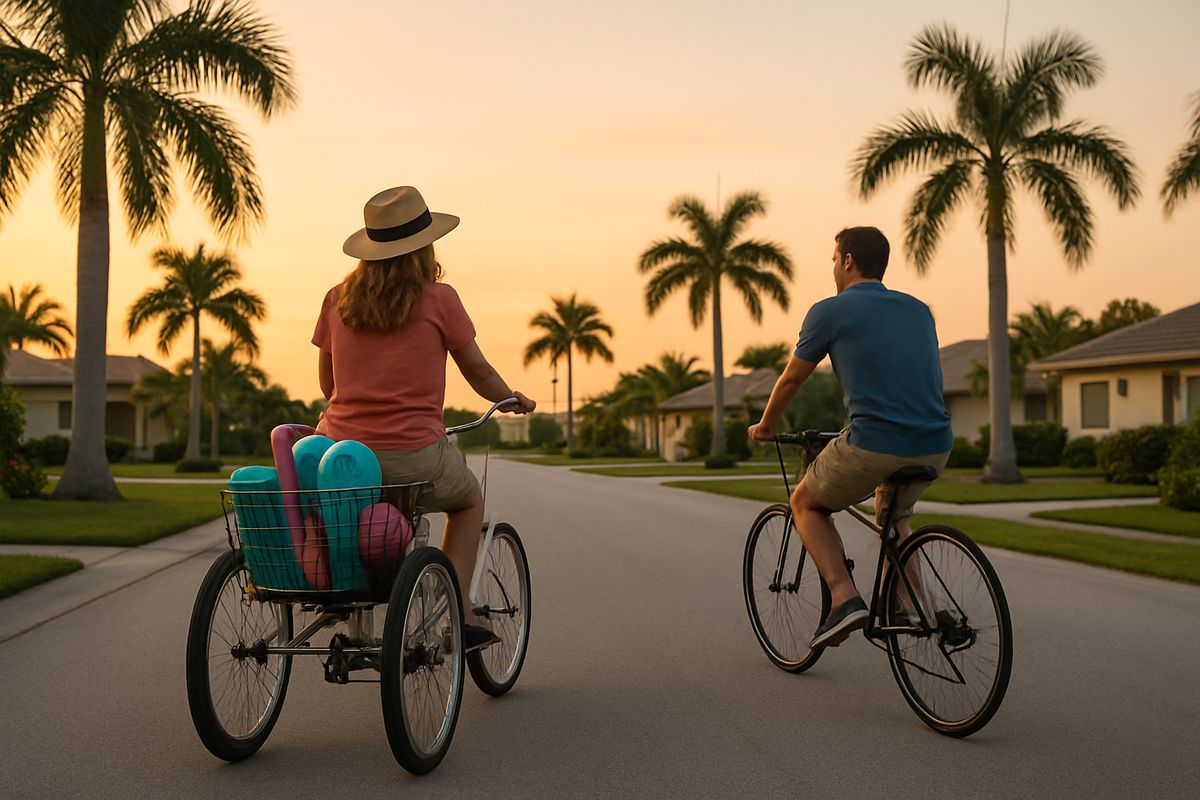
For most couples on vacation, I’d lean trike if the goal is a relaxed outing. It keeps the ride easy, stable, and low-pressure, especially if one person in the pair is less confident than the other. Nobody wants a romantic sunset cruise ruined by a nervous first five minutes.
If both of you already ride regularly, bikes can be great. They feel quicker and more flexible. But if the priority is comfort-first exploring, trikes usually deliver the better vacation experience.
Families and multigenerational groups
This is where trikes really shine.
Mixed ages and mixed confidence levels are common on Marco Island. One person wants to pedal fast, another wants a gentle ride, and someone else may be nervous about balance or tired knees. Trikes make it easier to include those riders instead of leaving them out or making them feel stressed.
Families also tend to carry more, which again favors trikes. Extra towels, kids’ essentials, snacks, and random beach-day items have to go somewhere.
Active riders who want flexibility
If you like the idea of hopping on, covering ground, and feeling free to turn wherever you want, a bike is the better fit. It’s faster, more agile, and better suited to riders who want a little exercise built into the day.
For people who are already comfortable on two wheels, a bike usually feels less bulky and more versatile. That’s especially true for shorter rides with minimal gear.
If you’re still comparing all your options before booking, this guide to what to know before reserving a ride on the island gives a helpful overview of what different renters tend to choose.
Safety and Confidence for First-Time Renters
Safety is not just about the vehicle. It’s also about how confident you feel using it.
A nervous rider on a bike may technically be on the more agile machine, but if they’re tense at every stop and worried about tipping, that advantage disappears quickly. Vacation riding should feel manageable.
Who may feel safer on a trike
Trikes tend to feel safer for riders with balance concerns, mild mobility issues, knee stiffness, or a long gap since their last ride. They’re also a smart choice for anyone who simply hates the idea of wobbling in front of traffic or pedestrians.
That feeling of control matters. When riders feel stable, they make calmer decisions and enjoy the trip more. In real life, that often translates into a better and safer outing.
Who may feel safer on a bike
Experienced cyclists may actually feel more secure on a regular bike, especially in narrower or busier areas. Bikes respond more quickly, fit into tighter spaces, and allow for smoother line choices around obstacles. If you’ve spent years riding, a trike can feel wide and a little less intuitive at first.
So yes, trikes often feel safer to newer or rusty riders. Bikes often feel safer to practiced ones. Confidence is the tipping point.
Pricing and Rental Value
Bikes are usually the cheaper option upfront. That part is straightforward.
Trikes often cost more because they’re larger, more specialized, and built with comfort and cargo in mind. So if you’re only looking at the sticker price, a bike usually wins.
Upfront rental cost
If budget is your top priority, a traditional bike is often the easiest yes. For many visitors, that lower daily or weekly price is enough to make the decision.
If you want a clearer picture of typical rates before you book, it helps to see what island rentals usually cost in practice. Pricing can vary by season, rental length, and the type of equipment included.
Which option gives better value for your trip
Value is not the same as price.
If a bike is cheaper but leaves one person in your group feeling uncomfortable, it’s not the better deal. If a trike costs more but makes the whole outing smoother, easier, and more enjoyable, that extra cost can be worth every dollar.
The best value comes from choosing the vehicle you’ll actually want to ride. Not the one that seems cheapest on paper.
And if you’re ready to lock in your dates, you can check current reservation details here.
When to Choose a Trike on Marco Island
Choose a trike if you want the easiest, most confidence-boosting ride.
It’s the smarter option if you have not ridden in years, feel uneasy about balancing, plan to carry beach gear, or simply want a more relaxed sightseeing experience. It also makes sense for couples where one rider is hesitant, for older adults who want comfort over speed, and for families trying to keep the outing stress-free.
On Marco Island, that describes a lot of visitors.
A trike is also the right call when the ride itself is the activity. If you’re meandering through neighborhoods, stopping often, and treating the day like a casual adventure, the extra stability and storage are hard to beat.
When to Choose a Bike on Marco Island
Choose a bike if you already feel comfortable riding and want a lighter, quicker, more flexible experience.
It’s a better fit for active travelers, lighter packers, and people who want to cover more ground with less bulk. Bikes are also easier in tighter spaces and usually more budget-friendly, which matters if you’re keeping the rental simple.
If your plan is short rides, easy errands, or a more athletic outing, a traditional bike makes plenty of sense. For confident riders, it can feel more fun too.
Verdict: Which Is Better for Marco Island?
For most vacationers on Marco Island, the trike is the better pick.
Not because it’s faster or cheaper, because it usually isn’t, but because it matches how most visitors actually ride here. It’s stable, comfortable, easy to manage, and better for carrying all the little extras that come with a beach day. For couples, casual riders, older adults, and mixed-ability groups, that makes it the safer bet.
A bike still wins for experienced riders who want speed, maneuverability, lower cost, and a more active feel. If that sounds like you, go with the bike and don’t overthink it.
But if you’re torn, the vacation-friendly answer is simple: choose the one that makes the ride feel easy. On Marco Island, that’s usually the trike.
Frequently Asked Questions
Is a trike safer than a bike for older adults?
Often, yes. A trike usually feels safer for older adults because it removes the need to balance at stops and low speeds. That added stability can make the whole ride feel more relaxed and manageable.
Are trikes harder to steer than bikes?
They can feel different at first. Bikes are usually quicker and more natural for experienced riders, while trikes require wider turns and a little more awareness of the vehicle’s width. Most casual riders adjust pretty quickly.
Can you take a trike to the beach on Marco Island?
Yes, and that’s one of the big advantages. Trikes are especially handy for beach trips because they often have better basket or cargo space for towels, bags, water, and other essentials.
Is a bike cheaper to rent than a trike?
Usually, yes. Standard bikes tend to have a lower rental price than trikes. But the better value depends on whether you’ll actually feel comfortable and enjoy the ride.
Which is better for couples, a trike or a bike?
For most couples looking for a scenic, easy outing, a trike is the safer recommendation. If both people are confident riders and want a more active trip, bikes can be a better fit.
What if I’m deciding between a bike, trike, and e-bike?
Start with your comfort level and how much effort you want to put in. If balance is the concern, a trike usually wins. If speed and exercise matter, a bike may be better. If you want easier pedaling without giving up the bike feel, an e-bike could be the sweet spot.